
Get Weekly Blogs Straight To Your Inbox

10 Mid Season Garden Mistakes You Can Still Fix
By mid season, it’s easy to feel like your garden has either “made it” or completely gone off the rails. Maybe the tomatoes are sulking, your lettuce has bolted, weeds have suddenly staged a hostile takeover, or everything just looks… tired.
July and August are not the end of the gardening season in the UK. In fact, mid season is one of the best times to rescue struggling beds, boost harvests and get plants back on track.
Most gardeners, beginners and experienced growers alike, make a few common mistakes once the initial Spring excitement wears off. The difference between a disappointing garden and a productive one often comes down to recognising problems early and making small adjustments.

1. Watering Little and Often
One of the biggest mid season mistakes in UK gardens is giving plants a quick splash every evening. It feels productive, but shallow watering actually trains roots to stay near the surface, where soil dries out fastest. When warm spells hit (even during a classic unpredictable British summer), plants become stressed surprisingly quickly.
The Signs
- Wilting despite frequent watering
- Dry soil just below the surface
- Tomatoes splitting or inconsistent growth
- Pots drying out daily
The Fix
Instead of watering lightly every day, switch to deep watering 2–3 times a week. Water thoroughly so moisture reaches deeper roots.
For vegetables:
- Water at the base, not over leaves
- Water early morning or evening
- Focus on fruiting crops like tomatoes, courgettes, cucumbers and beans
Container plants may still need daily watering during warm spells because pots dry out faster. A simple test? Stick your finger a few inches into the soil. If it’s dry below the surface, your plants need a proper soak.
2. Forgetting to Mulch
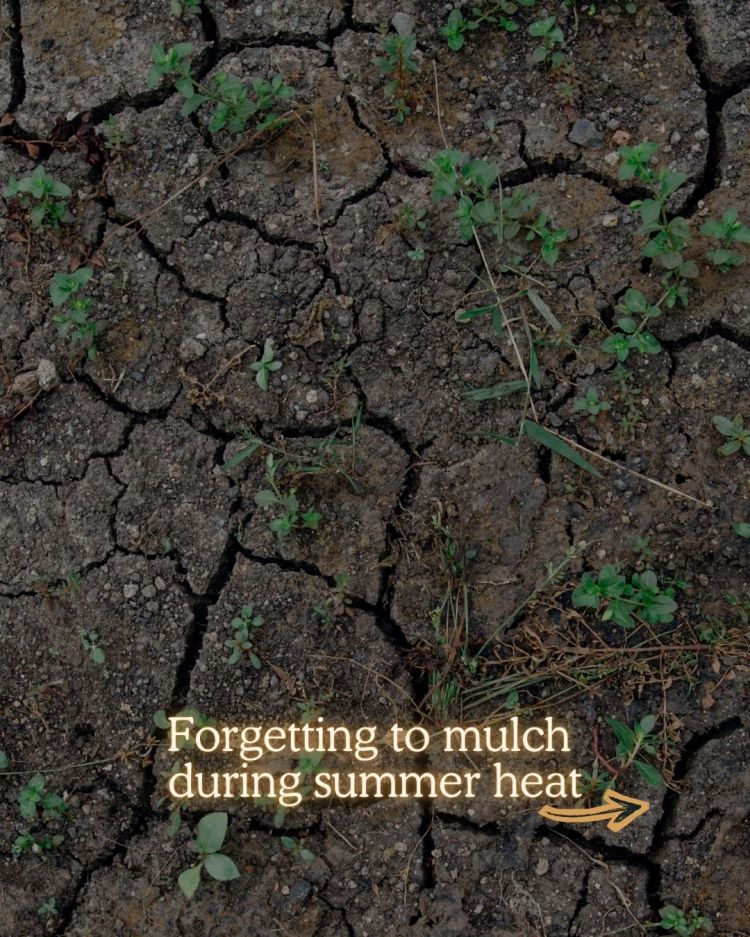
Many UK gardeners think mulching is only a Spring job, but mid season is actually when mulch becomes most valuable. Bare soil loses moisture quickly, especially during sunny weeks or drying winds. Mulch acts like insulation, helping soil stay cool and damp while suppressing weeds.
The Signs
- Soil drying out quickly
- Constant watering needed
- Beds full of weeds
- Plants looking stressed in hot weather
The Fix
Apply mulch around plants now. Good UK-friendly mulches include:
- Homemade compost
- Leaf mould
- Straw around strawberries or veg beds
- Well-rotted manure (avoid touching stems)
- Grass clippings
Aim for a layer around 5–8cm thick, keeping space around stems to avoid rot. Mulching now can dramatically reduce watering needs for the rest of summer.
3. Letting Weeds Take Over
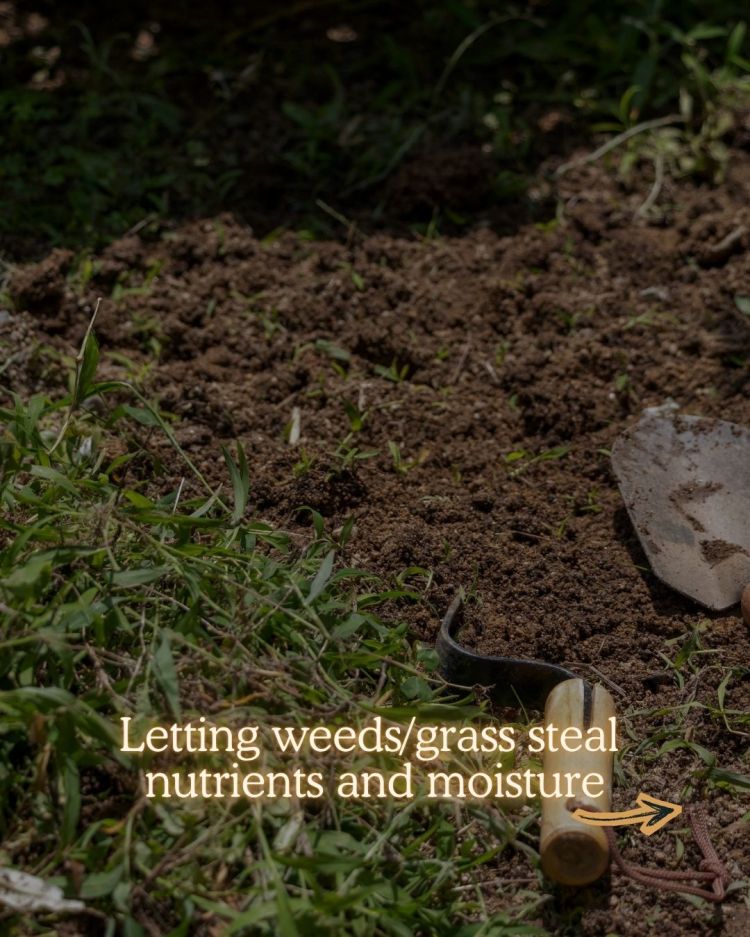
Mid-season weeds are sneaky, after Spring, many gardeners relax maintenance slightly, then suddenly realise weeds are competing for water, nutrients, and sunlight and during dry weather, weeds often outcompete your crops.
The Signs
- Veg plants growing slowly
- Soil disappearing beneath weeds
- Beds looking overcrowded
- More watering required than usual
The Fix
Prioritise weeds strategically. You don’t have to clear everything in one exhausting session.
Focus first on:
- Vegetable beds
- Newly planted flowers
- Containers and raised beds
Hoe weeds on dry days so roots dry out quickly. The trick is staying ahead of them before they seed. One neglected week can become months of extra work. For persistent weeds like bindweed or couch grass, remove roots carefully rather than chopping them up.
4. Feeding Everything the Same Way
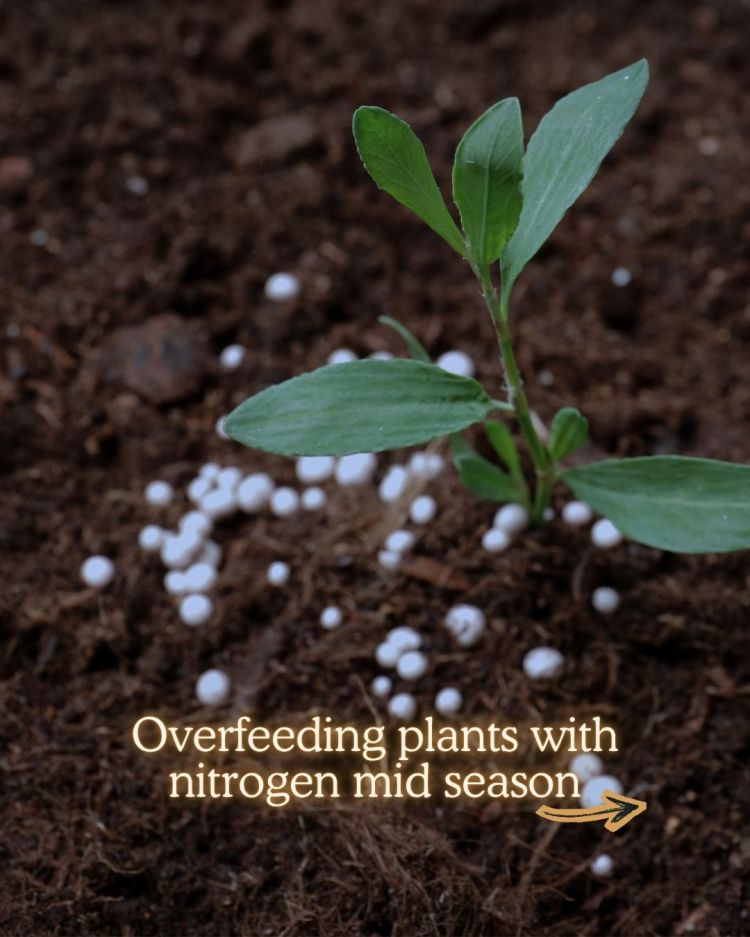
Mid season feeding mistakes are incredibly common. Many gardeners panic when growth slows and throw fertiliser at everything, but feeding incorrectly can actually make problems worse. Too much nitrogen, for example, creates lots of leafy growth but fewer flowers and fruits. That means: huge tomato plants with fewer tomatoes, lush courgette leaves but poor cropping, weak, floppy stems.
The Signs
- Big green plants but little produce
- Weak flowering
- Excessive leaf growth
The Fix
Feed according to plant stage.
Leafy Crops
Lettuces, spinach, and herbs prefer nitrogen rich feeds.
Fruiting Crops
Tomatoes, chillies, peppers, cucumbers and squash need potash-rich fertilisers to encourage flowers and fruit. Tomato feed works brilliantly for many Summer crops, feed little and often rather than overloading plants and remember sometimes plants stop growing because of heat or stress, not hunger.
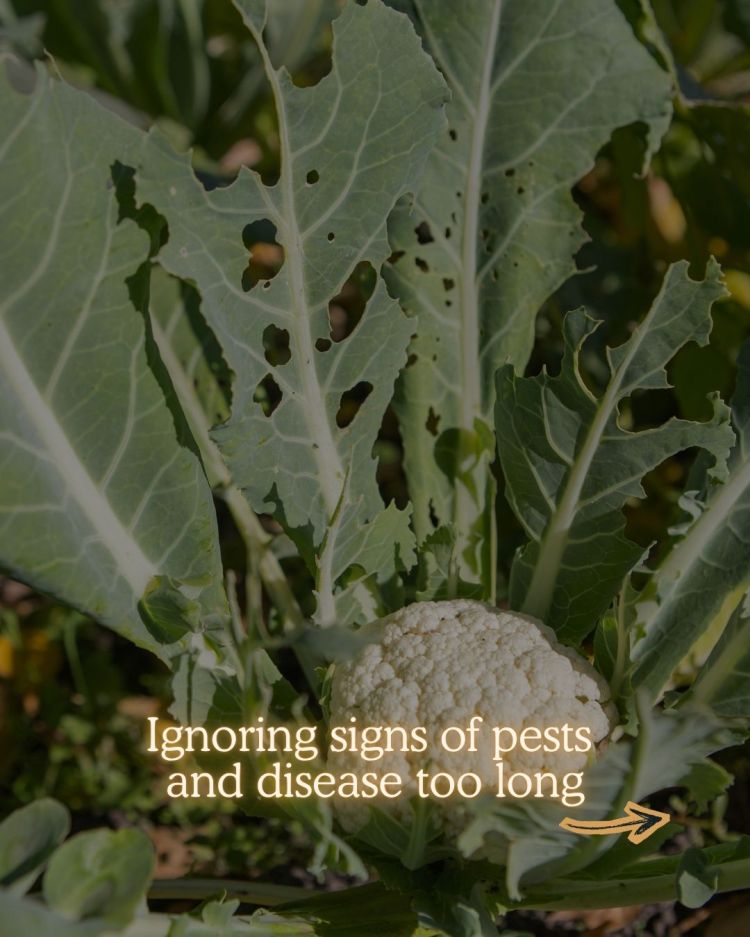
5. Ignoring Early Pest Problems
It starts with one aphid, then suddenly entire stems are covered. Mid season is peak pest season in UK gardens, especially during warm humid spells. Many gardeners wait too long, hoping pests disappear on their own, sometimes natural predators help, but often action is needed. Take a look at our blog: 10 Common UK Garden Pests and What Their Presence Means
Common UK Mid-Season Pests
- Aphids
- Slugs and snails
- Whitefly
- Cabbage caterpillars
- Red spider mites in greenhouses
The Signs
- Curling leaves
- Sticky residue
- Holes in foliage
- Distorted growth
- Yellowing plants
The Fix
Inspect plants weekly. Check:
- Undersides of leaves
- New growth
- Hidden stems
Encourage wildlife allies like ladybirds and birds. Use:
- Hand-picking for caterpillars
- Water spray for aphids
- Beer traps or barriers for slugs
- Fine mesh netting for brassicas
The earlier you act, the easier pest control becomes.
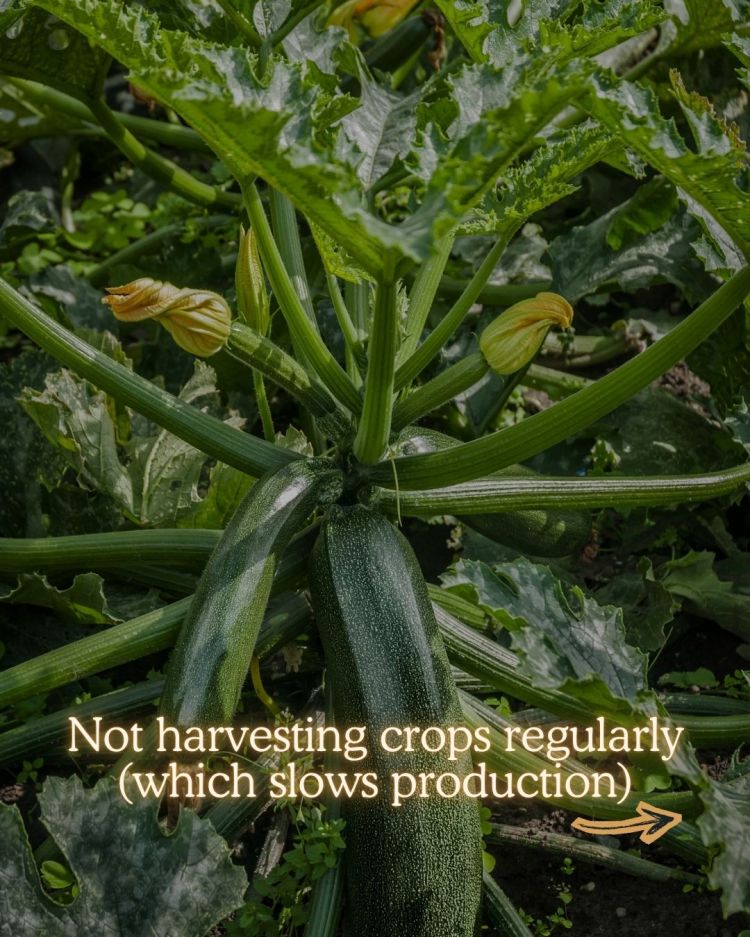
6. Forgetting to Harvest Regularly
This one surprises beginners, some crops slow down because you’re not picking enough. Courgettes become marrows overnight, beans get tough, cucumbers swell into monsters, soft fruit gets too soft and falls off, and when plants think they’ve finished producing seed, they stop flowering.
The Signs
- Fewer flowers appearing
- Oversized vegetables
- Reduced harvests
The Fix
Harvest little and often. Check productive crops every couple of days. Especially:
- Courgettes
- Runner beans
- French beans
- Cucumbers
- Tomatoes
- Cut-and-come-again salads
- Soft fruits like raspberries, blueberries, strawberries
Frequent harvesting tells plants “Keep producing.” it’s one of the easiest productivity boosts in any garden.
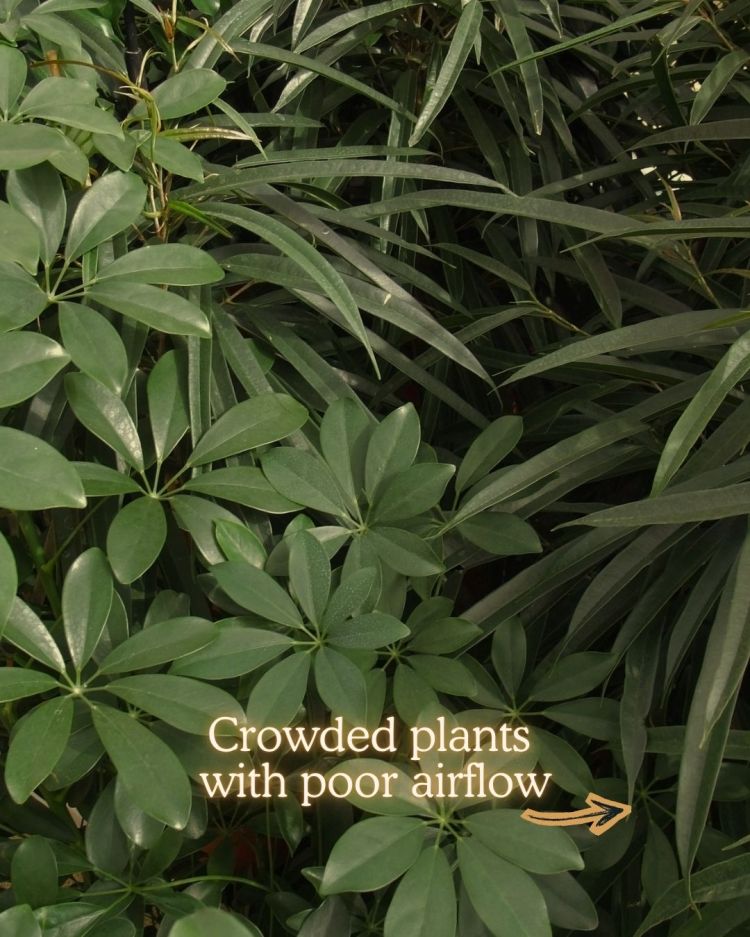
7. Everything looked spacious in Spring.
Now it resembles a jungle, mid season overcrowding causes: poor airflow, more disease, reduced sunlight, competition for nutrients. This becomes especially problematic during damp UK spells.
The Signs
- Powdery mildew
- Yellowing lower leaves
- Weak growth
- Plants collapsing into one another
The Fix
Thin and tidy. Remove:
- Dead foliage
- Damaged leaves
- Excess growth blocking airflow
Tie in climbing plants properly. For tomatoes: Remove lower leaves and side shoots (on cordon varieties) to improve airflow and reduce blight risk.
If overcrowding is severe, selectively remove weaker plants to help stronger ones thrive. It feels brutal but plants often recover quickly.
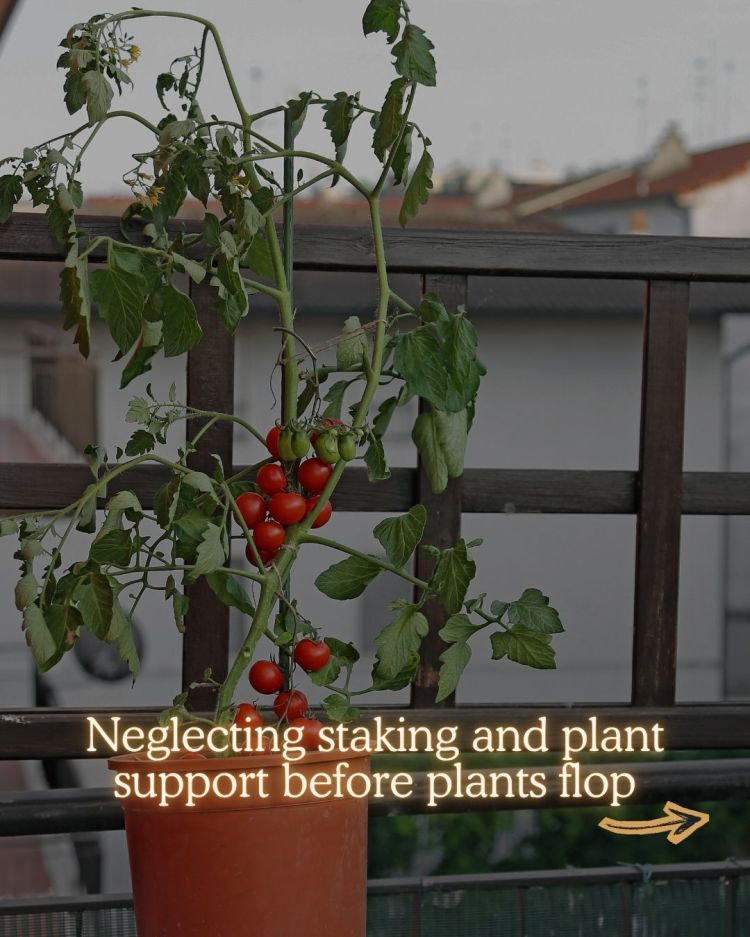
8. Staking Plants Too Late
Every gardener has experienced this moment: A windy day arrives and suddenly your dahlias, tomatoes or beans are flat on the ground. By mid season, plants become heavy fast, waiting until stems flop often causes permanent damage.
The Signs
- Leaning stems
- Bent plants
- Broken branches
- Fruit touching soil
The Fix
Support plants before disaster strikes. Use:
- Bamboo canes
- Soft garden twine
- Plant rings
- Wigwam structures for beans
Top staking priorities:
- Tomatoes
- Sweet peas
- Dahlias
- Delphiniums
- Runner beans
- Peas
A quick ten minute support job can save weeks of growth.

9. Not Succession Sowing
Many gardeners unknowingly create a feast-or-famine garden, everything matures at once….then suddenly there’s nothing left. Mid season is prime time for succession sowing, especially in the UK climate. You still have plenty of growing season left.
Crops You Can Still Sow Mid-Season (Check out what we are sowing monthly)
- Lettuce
- Rocket
- Radishes
- Beetroot
- Spring onions
- Turnips
- Chard
- Spinach
- Carrots (early varieties)
For autumn harvests:
- Pak choi
- Kale
- Winter salads
The Fix
Sow small amounts every 2–3 weeks. This creates continuous harvests instead of overwhelming gluts. Empty patch in the veg bed? Replant it immediately, bare soil is a missed opportunity.
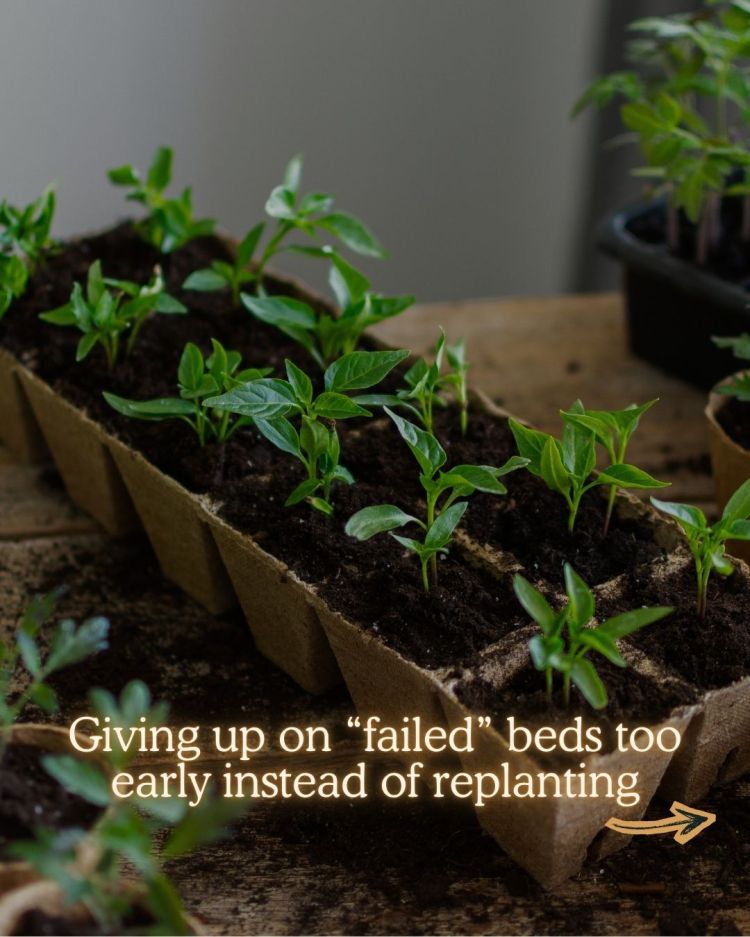
10. Giving Up on the Garden Too Soon
Perhaps the biggest mistake of all, assuming the season is ruined. UK gardening is unpredictable, cold springs, wet Junes, surprise heatwaves….it happens every year. A rough start doesn’t mean a failed season, in fact, many gardens improve massively from July onward.
The Signs
- Patchy beds
- Failed crops
- Low motivation
- Feeling “behind”
The Fix
Reset instead of quitting. Ask:
- What can I still sow?
- What needs replacing?
- What’s actually thriving?
Swap failed crops for fast growers, replace bolted lettuce with fresh sowings, plant Autumn veg. Refresh containers and tidy tired borders. Even a struggling garden can look transformed within weeks, gardening rewards persistence far more than perfection.
Your Garden Isn’t Finished Yet
Mid season gardening can feel messy. Spring optimism fades, weeds explode, pests arrive, and plants don’t always behave the way seed packets promised.
But here’s the truth:
Most mid-season mistakes are fixable.
A few smart adjustments now, better watering, regular harvesting, feeding properly, mulching, and re-sowing can completely change the second half of your growing season.
In the UK especially, there’s often far more gardening left than we realise.
So don’t write off your garden just yet.
Get outside, make a few fixes and give your plants another chance.
You might be surprised how productive and beautiful the rest of the season becomes.
Happy Gardening!


Katrina & Clayton and family live in East Ayrshire and share their daily life in the garden on instagram. They practice permaculture principles in the garden, reducing & repurposing waste whenever they can. Katrina shows how home educating in nature has helped Clayton thrive.
Clayton Completed The 2 Grow and Learn Courses with the Royal Caledonian Horticultural Society. He is Autistic, Non Verbal & has been Home Educated since 2018. Katrina & Peter hold their PDC & PDC PRO Permaculture Design Course from Oregon State University.
They featured on BBC Beechgrove Gardens Ep23 2022 and returned in 2023 for an update, Katrina & Clayton are also columnists for ScotlandGrows Magazine, Guest Blog for Caledonian Horticulture as well as working with Gardeners’ World Magazine and many other brands.
They are also Author of the new Children’s Book Series: Clayton’s Garden Journey: Stories of Autism and Gardening. Topics on Growing, Harvesting, Sowing & Composting and 108 Page Weather and Seasons Weekly Gardening Record Book available on Amazon and Kindle.
Listen in on their Guest Podcasts to learn more about them.
Get Weekly Blogs Straight To Your Inbox

Our Children’s Book Series
Author of the new children’s book series: Clayton’s Garden Journey: Stories of Autism and Gardening. Including Stories on Growing, Harvesting, Sowing, Composting, Feeding The Birds and A Sowing, Growing, Weather and Seasons Weekly Gardening Record Book available on Amazon and Kindle

Visit Our Print On Demand Stores
Redbubble Store – Worldwide! 200+ garden & nature-inspired designs on coasters, phone covers, tote bags, mouse mats and so much more. Perfect for plant lovers, gardeners and anyone who wants to bring a touch of the outdoors into everyday life

Discover more from Building a Food Forest -Scotland
Subscribe to get the latest posts sent to your email.
