
Get Weekly Blogs Straight To Your Inbox

10 Reasons Your Plants Stop Growing in Summer (and How to Fix Them): A UK Gardener’s Guide
Summer should be the season when gardens burst into life. Borders fill out, vegetables race upward, flowers bloom continuously and lawns turn lush and green. Yet many UK gardeners experience the same frustrating problem every year: plants suddenly stop growing just when they should be thriving.
One week your garden looks healthy and full of promise, the next, growth slows dramatically, leaves appear smaller, flowers stop forming, vegetables stall and potted plants seem stuck in place despite regular watering.
In the UK, Summer plant problems are becoming increasingly common because weather patterns are changing, longer dry spells, sudden heatwaves, inconsistent rainfall and warmer nights all affect how plants grow. While the UK still has a temperate climate, many traditional garden plants struggle when temperatures rise above their comfort zone for extended periods., especially in Scotland.
The good news is that stalled Summer growth is usually reversible, plants often stop growing because they are stressed, lacking nutrients, struggling with watering issues or reacting to environmental changes.
Understanding the causes allows you to fix problems quickly before plants become permanently weakened.
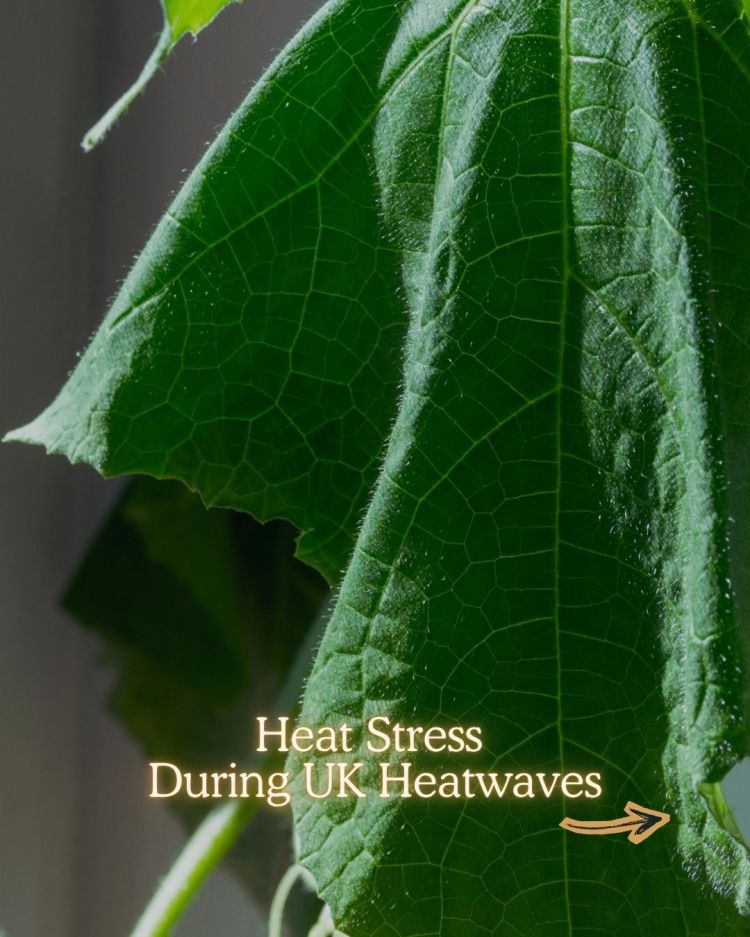
1. Heat Stress During UK Heatwaves
One of the biggest modern gardening challenges in the UK is heat stress. Many British plants evolved for mild, damp conditions rather than prolonged high temperatures. During hot summers, plants may temporarily shut down growth to conserve energy and moisture. More details watering and sun exposure in this blog: How Often Should I Water My Plants? Full Sun, Partial Shade, and Full Shade Explained
Common signs include:
- Wilting during the day
- Curled leaves
- Crispy edges
- Slowed flowering
- Stunted vegetables
Temperatures above 28–30°C can cause significant stress, especially in southern England and urban areas where heat reflects from patios, walls, and fences. Container plants suffer most because compost heats up quickly and dries out faster than garden soil.
How to Fix It
Move pots into partial shade during extreme heat. A temporary shade cloth or even a garden umbrella can protect vulnerable plants during intense afternoon sun.
Water deeply early in the morning rather than little and often.
Apply mulch around roots using: compost, bark chips, straw, leaf mould. Mulch helps keep soil cool and reduces evaporation.
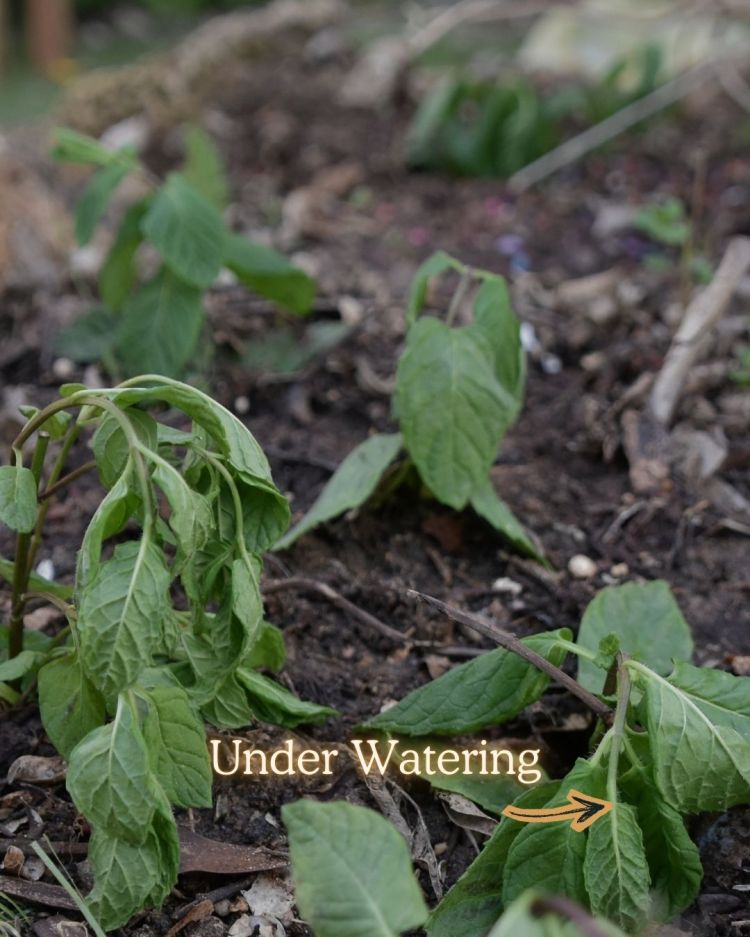
2. Under Watering
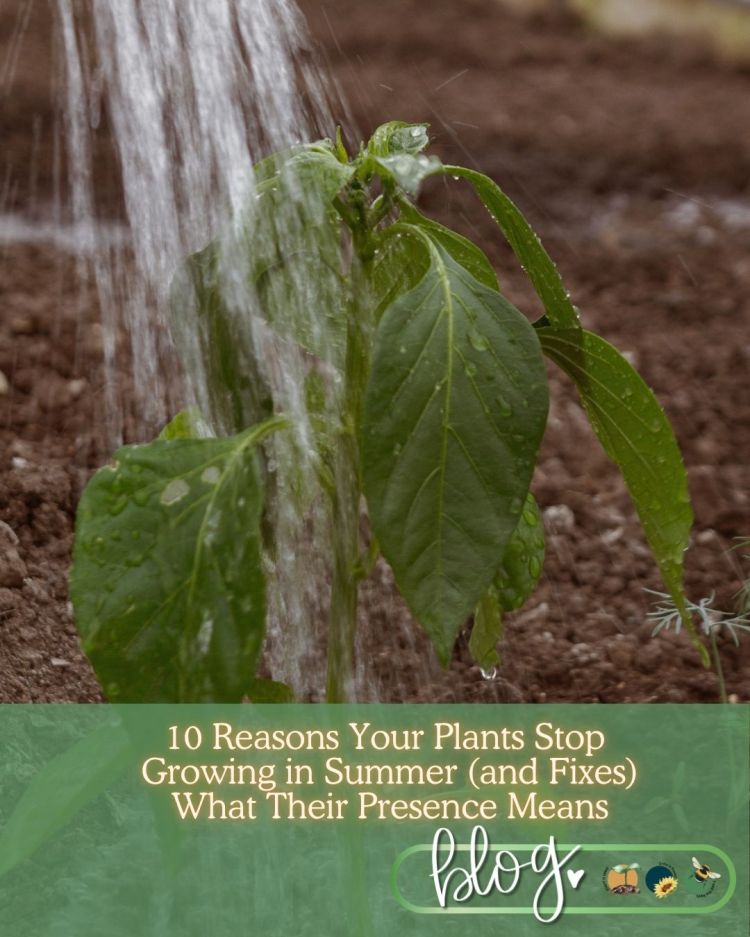
Many plants stop growing simply because they lack enough water to support active development. In hot weather, plants prioritise survival over growth. Instead of producing new stems, leaves or flowers, they conserve moisture. Unfortunately, UK gardeners often underestimate how quickly soil dries during warm spells and windy conditions can make moisture loss even worse.
Signs of under watering include:
- Dry soil
- Drooping leaves
- Slow growth
- Flower drop
- Yellow lower leaves
How to Fix It
Water deeply rather than frequently. A light sprinkle only wets the surface and encourages shallow roots. Instead:
Soak the root zone thoroughly
Water early morning
Focus water at soil level
Container plants may need watering once or twice daily during heatwaves. Vegetables such as tomatoes, cucumbers and courgettes are especially thirsty during Summer.
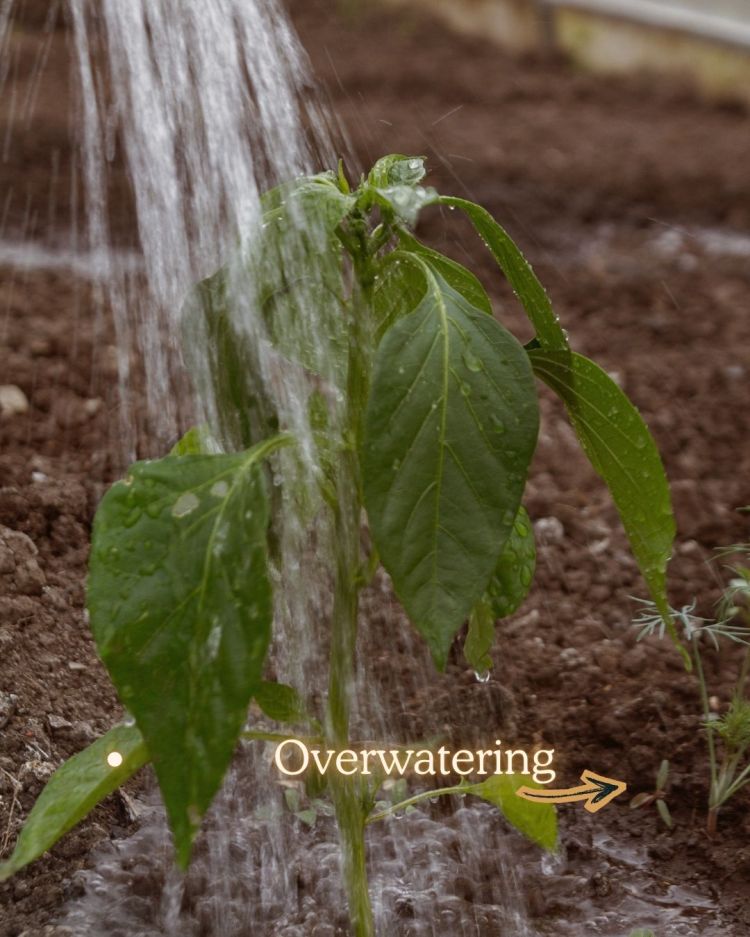
3. Overwatering
Ironically, too much water can stop growth just as effectively as drought. Many gardeners panic during Summer and overcompensate by watering constantly. Waterlogged soil prevents roots from accessing oxygen and without oxygen, roots weaken and may begin to rot. More details watering and sun exposure in this blog: How Often Should I Water My Plants? Full Sun, Partial Shade, and Full Shade Explained
Common symptoms include:
- Yellowing leaves
- Weak stems
- Mushy roots
- Stalled growth
- Wilting despite wet soil
This is particularly common in pots without drainage, clay heavy soils like in most of Scotland and shady gardens. Healthy roots need both moisture and oxygen.
How to Fix It
Check soil before watering. If the top few centimetres remain damp, wait.
Improve drainage using compost, grit and organic matter
Raise containers slightly off patios so water can drain freely.
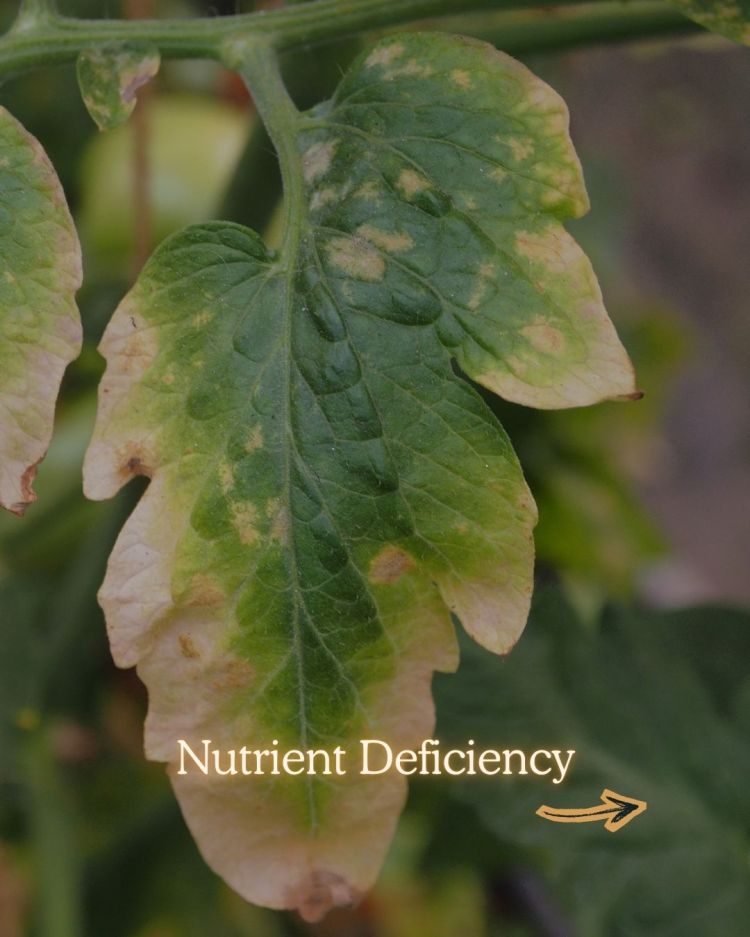
4. Nutrient Deficiency
Summer growth requires enormous amounts of energy and plants need nutrients continuously, especially nitrogen, potassium and phosphorus. Fast growing vegetables and flowering plants quickly deplete nutrients from pots and borders and without enough nutrients, growth slows dramatically. Container plants are particularly vulnerable because nutrients wash out with repeated watering. More details on plant health in this blog: 10 Leaf Problems That Reveal Exactly What Your Plant Needs
Signs include:
- Pale leaves
- Weak stems
- Small foliage
- Poor flowering
- Slow recovery after watering
How to Fix It
Feed plants appropriately for their growth stage, avoid overfeeding during extreme heat, as stressed plants may react poorly. Light, regular feeding works better than large doses. Use:
Balanced liquid feed for general plants like liquid seaweed.
Tomato feed for flowering crops
Slow release fertiliser for containers
Compost for long term soil improvement
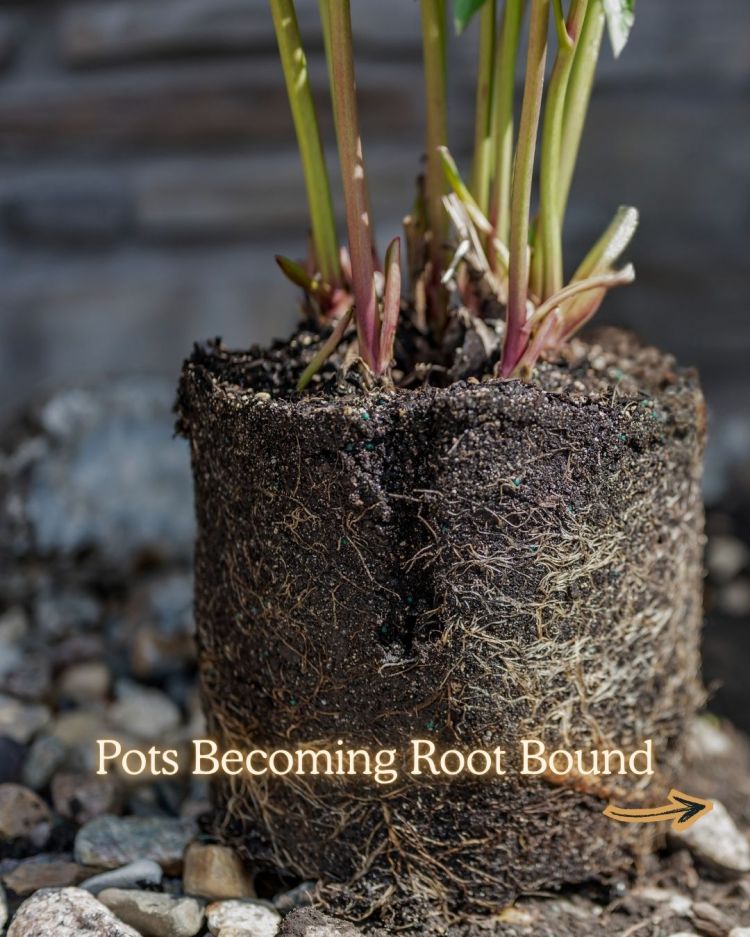
5. Pots Becoming Root Bound
Container gardening is hugely popular in the UK, especially in smaller gardens, balconies, and patios. However, plants eventually outgrow their containers, when roots circle tightly around the pot, they compete for water and nutrients. Growth often stalls completely.
Signs of root-bound plants include:
- Water running straight through pots
- Roots emerging from drainage holes
- Rapid drying
- Weak growth
- Small leaves
How to Fix It
Repot into a larger container, loosen compacted roots gently before replanting, adding fresh compost instantly improves nutrient and moisture availability. Choose pots with:
Good drainage
Fresh compost
Extra room for root expansion
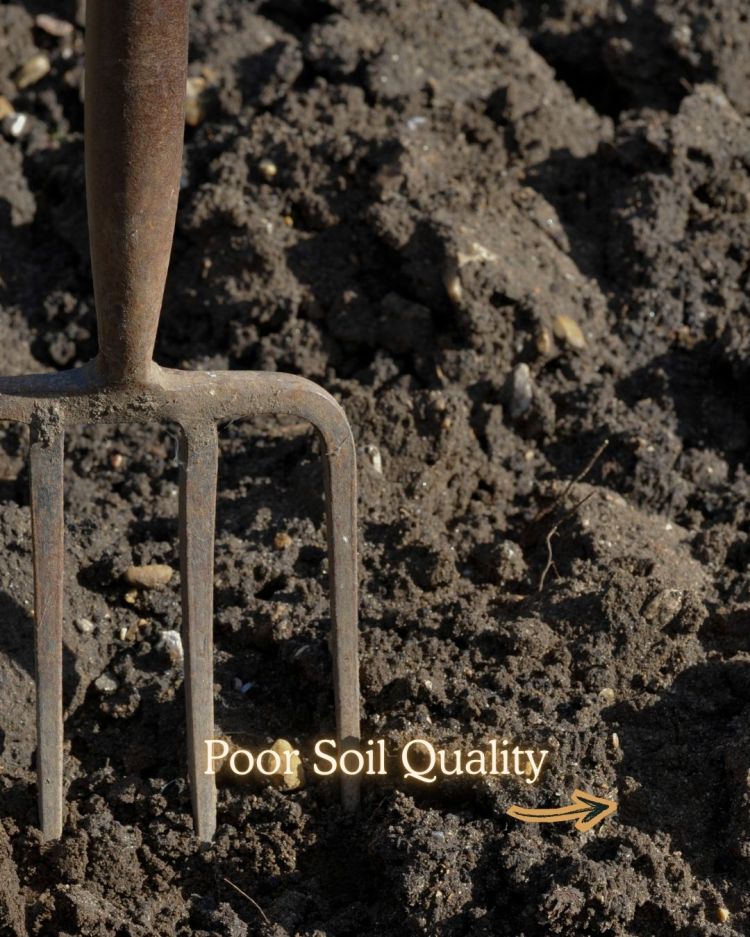
6. Poor Soil Quality
Many UK gardens contain difficult soil, heavy clay, sandy ground or compacted urban soil can severely limit plant growth. Compacted soil is especially problematic after dry Summers because it hardens and restricts root movement. See blog post of different types of mulches: Mulch in Gardening: What It Is, Why It’s Used and How to Choose the Right Type
Poor soil affects:
- Drainage
- Root development
- Nutrient availability
- Water retention
How to Fix It
Improve soil gradually with organic matter, avoid digging dry clay aggressively during hot weather instead, mulch regularly and allow worms and microorganisms to improve structure naturally. Healthy soil is one of the best long term investments for any UK garden. Excellent options include:
Well rotted manure
Garden compost
Leaf mould
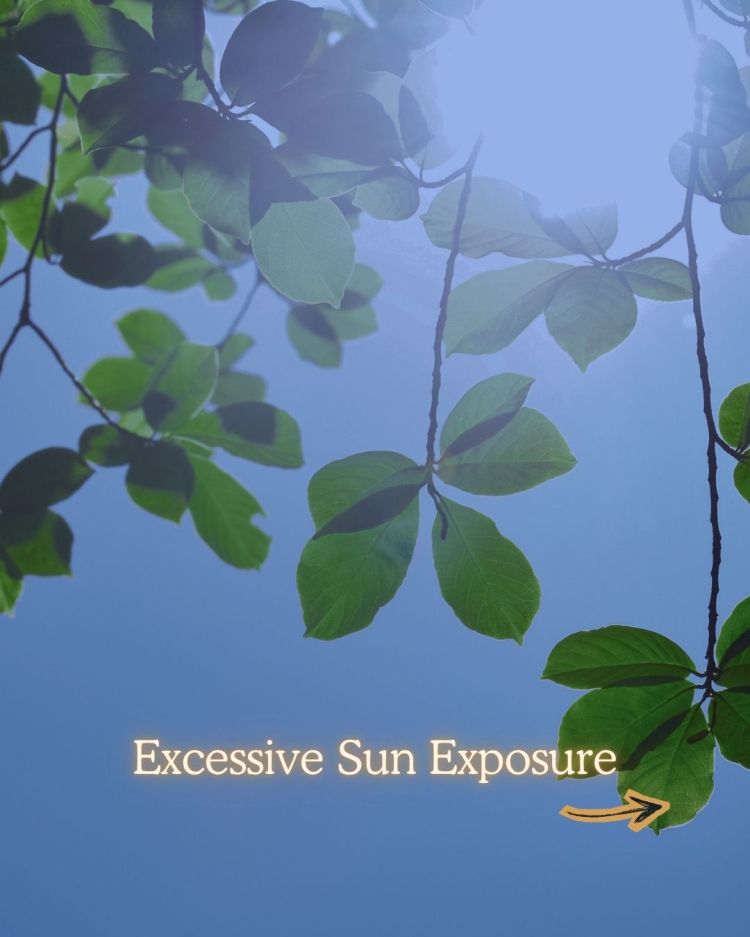
7. Excessive Sun Exposure
Not every plant loves full sun, many traditional UK favourites actually prefer cooler, partially shaded conditions. Strong afternoon sun can scorch leaves and halt growth entirely. More details watering and sun exposure in this blog: How Often Should I Water My Plants? Full Sun, Partial Shade, and Full Shade Explained
Symptoms include:
- Brown edges
- Bleached foliage
- Curling leaves
- Dry patches
How to Fix It
Create shade during the hottest part of the day, for pots, moving plants just a few feet can make a major difference. Morning sun with afternoon shade is ideal for many vulnerable plants. Options include:
Shade cloth
Pergolas or garden parasols
Taller companion plants
Strategic container placement
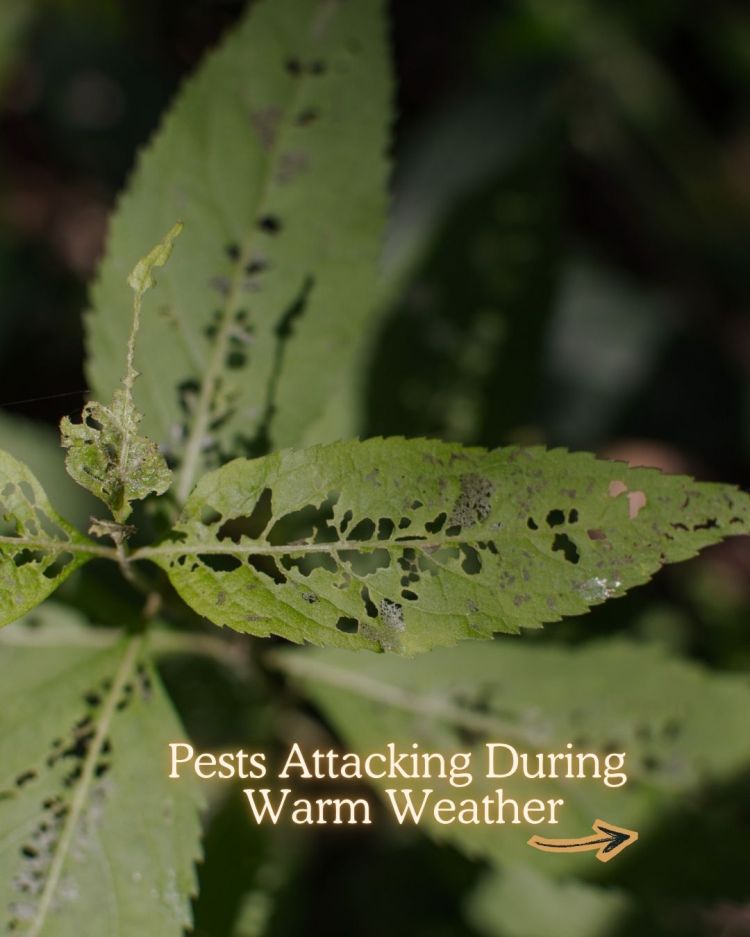
8. Pests Attacking During Warm Weather
Summer warmth creates ideal breeding conditions for pests, aphids, spider mites, whitefly, and vine weevils all become more active during warm UK summers. Pests weaken plants by feeding on sap, roots, or leaves, reducing energy available for growth. Spider mites are becoming especially problematic during hotter, drier weather. More details on pests on this blog post: 10 Common UK Garden Pests and What Their Presence Means
Signs include:
- Distorted leaves
- Sticky residue
- Tiny webs
- Yellow speckling
- Weak growth
How to Fix It
Inspect plants regularly, especially leaf undersides, encourage beneficial insects such as ladybirds and hover flies. Healthy, well watered plants are naturally more resistant to pest damage. More info on natural sprays or protection in this blog: Natural & Eco Friendly Ways To Keep Pests Out Of Your Garden Use:
Strong water sprays
Insecticidal soap
Neem oil
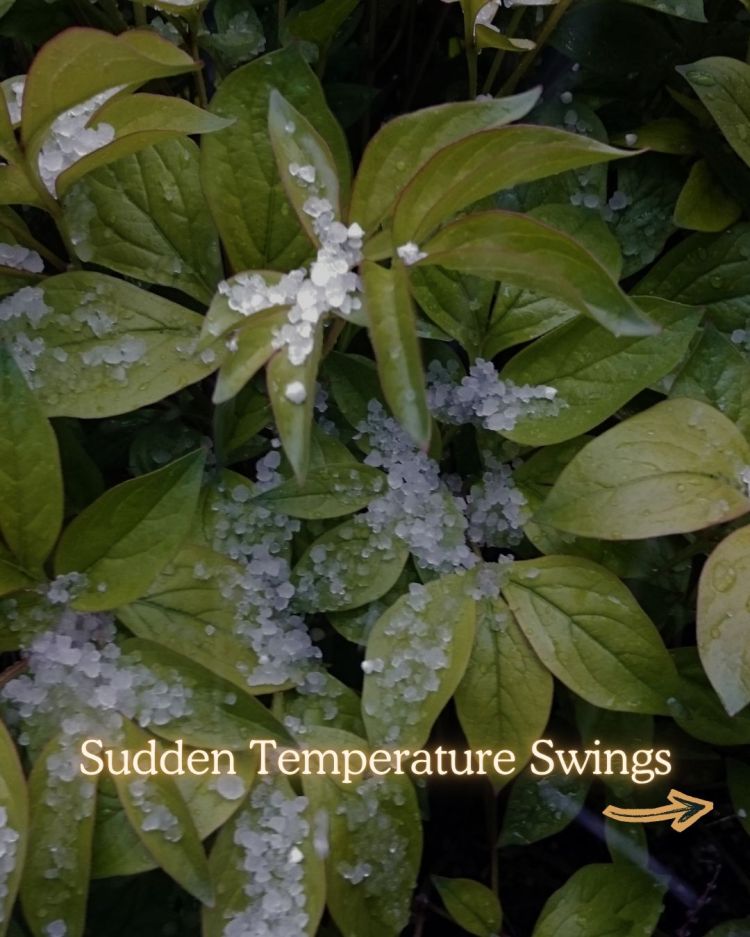
9. Sudden Temperature Swings
The UK climate can change rapidly, a hot sunny week may suddenly turn cool, windy and wet. Plants dislike sudden fluctuations because they constantly adjust water use, metabolism, and growth patterns, growth often pauses temporarily after dramatic weather shifts.
This is especially noticeable in:
- Tomatoes
- Cucumbers
- Chillies
- Dahlias
- Courgettes
How To Fix It
Provide stability where possible, mulch also helps regulate soil temperature. Consistency is one of the most important factors in successful summer gardening. For tender plants:
Use greenhouses or cold frames
Add fleece during cool nights
Shelter plants from strong winds
Mulch with leaf mould, grass clippings, compost
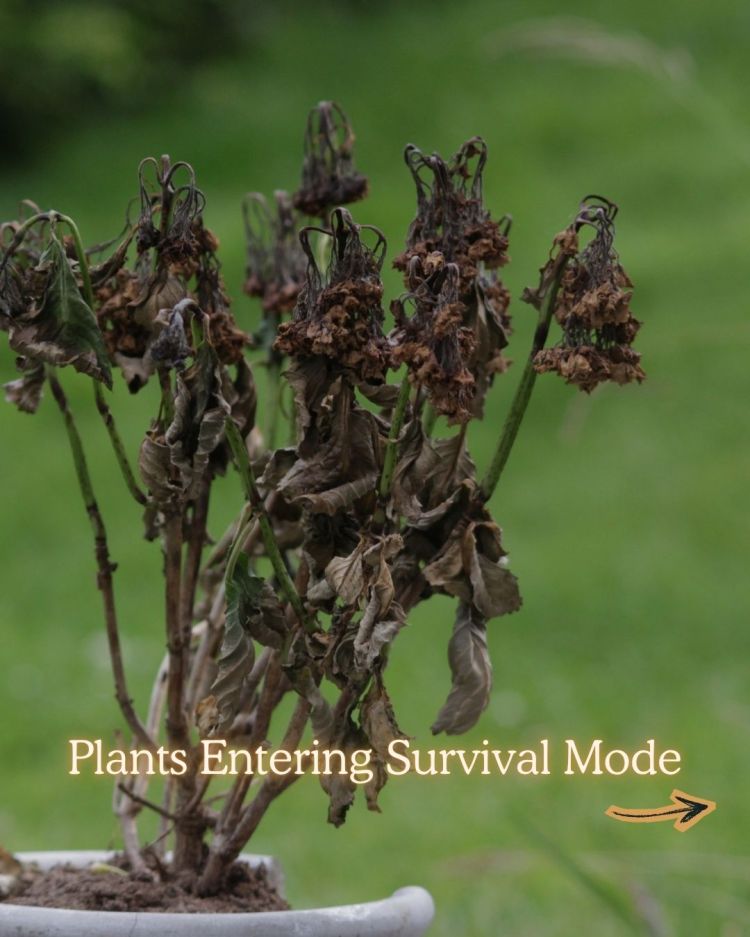
10. Plants Entering Survival Mode
Sometimes plants stop growing simply because conditions are too stressful overall, high heat, drought, wind, poor soil, and nutrient shortages combine to trigger survival mode. In survival mode, plants focus entirely on staying alive rather than producing new growth. This is common during prolonged dry Summers in southern parts of the UK.
Plants may:
- Drop leaves
- Stop flowering
- Slow development
- Preserve moisture
How to Fix It
Reduce stress rather than forcing growth, once temperatures cool and moisture returns, many plants resume normal growth naturally, patience is often part of the solution. Focus on:
Consistent watering
Mulching
Shade
Soil improvement
Reduced pruning
The Key Is Understanding What Your Plants Are Trying To Tell You!
Summer should be a season of growth, but changing UK weather patterns are creating new gardening challenges. When plants stop growing, they are usually reacting to stress rather than failing permanently, heat, watering problems, poor soil, nutrient shortages, pests and sudden weather changes all affect how plants perform during warmer months.
By spotting the warning signs early and making small adjustments, deeper watering, mulching, feeding, shading or improving soil, most plants recover surprisingly well.
Gardening in the UK is evolving.
Traditional methods designed for cool, wet Summers are no longer always enough. Successful modern gardening increasingly means adapting to hotter, drier and less predictable conditions.
Happy Gardening!

Katrina & Clayton and family live in East Ayrshire and share their daily life in the garden on instagram. They practice permaculture principles in the garden, reducing & repurposing waste whenever they can. Katrina shows how home educating in nature has helped Clayton thrive.
Clayton Completed The 2 Grow and Learn Courses with the Royal Caledonian Horticultural Society. He is Autistic, Non Verbal & has been Home Educated since 2018. Katrina & Peter hold their PDC & PDC PRO Permaculture Design Course from Oregon State University.
They featured on BBC Beechgrove Gardens Ep23 2022 and returned in 2023 for an update, Katrina & Clayton are also columnists for ScotlandGrows Magazine, Guest Blog for Caledonian Horticulture as well as working with Gardeners’ World Magazine and many other brands.
They are also Author of the new Children’s Book Series: Clayton’s Garden Journey: Stories of Autism and Gardening. Topics on Growing, Harvesting, Sowing & Composting and 108 Page Weather and Seasons Weekly Gardening Record Book available on Amazon and Kindle.
Listen in on their Guest Podcasts to learn more about them.
Get Weekly Blogs Straight To Your Inbox
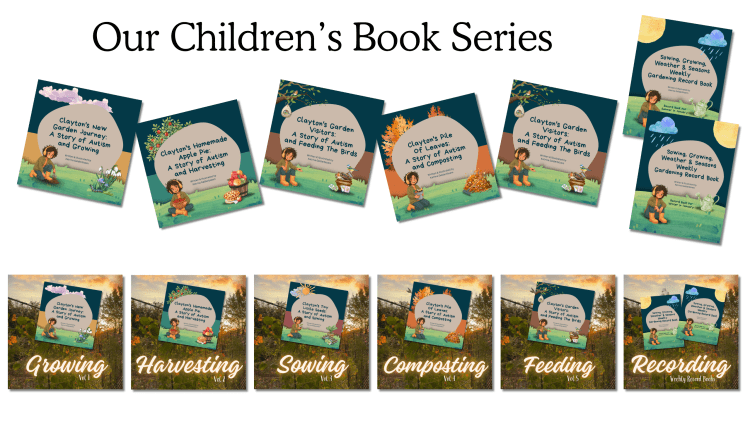
Our Children’s Book Series
Author of the new children’s book series: Clayton’s Garden Journey: Stories of Autism and Gardening. Including Stories on Growing, Harvesting, Sowing, Composting, Feeding The Birds and A Sowing, Growing, Weather and Seasons Weekly Gardening Record Book available on Amazon and Kindle

Visit Our Print On Demand Stores
Redbubble Store – Worldwide! 200+ garden & nature-inspired designs on coasters, phone covers, tote bags, mouse mats and so much more. Perfect for plant lovers, gardeners and anyone who wants to bring a touch of the outdoors into everyday life

Discover more from Building a Food Forest -Scotland
Subscribe to get the latest posts sent to your email.
